

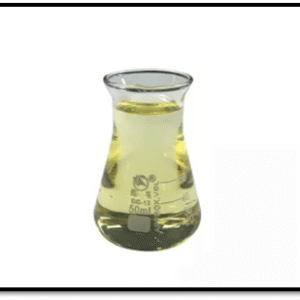
Tetraethylenepentamine TEPA
€1,000.00
Other Trading Names:
- N-(2-Aminoethyl)-N-{2-[(2-Aminoethyl)amino]ethyl}ethane-1,2-Diamine
- TEPA
- Tetren
- Tetraethylene Pentamine
- 1,11-Diamino-3,6,9-triazaundecane
- 1,4,7,10,13-Pentaazatridecane
- 3,6,9-Triaza-1,11-undecanediamine
- 3,6,9-Triazaundecamethylenediamine
Types of Packaging
- Plastic drums with 25 kg weight capacity per drum.
- Plastic drums with 200 kg weight capacity per drum.
HS Code:
29212990
FOB Price (Per Ton) $1,000.00
Buy Tetraethylenepentamine (TEPA) – Research & Industrial Chemical Compound
Tetraethylenepentamine, commonly known as TEPA, is a multifunctional polyamine compound widely used in industrial processing, coordination chemistry, and advanced material research. Known for its strong chelating ability and multiple reactive amine groups, TEPA plays a significant role in catalyst development, polymer chemistry, and metal-ion complex formation.
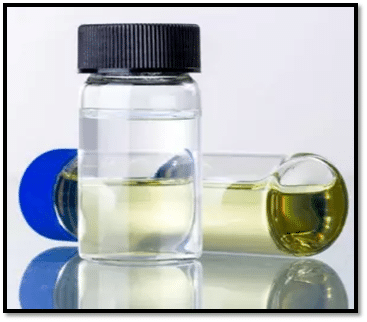
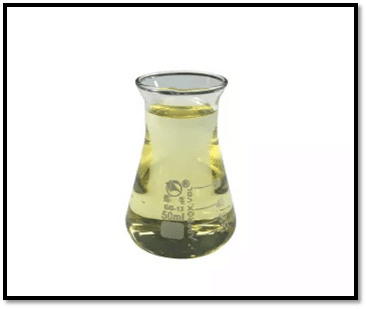
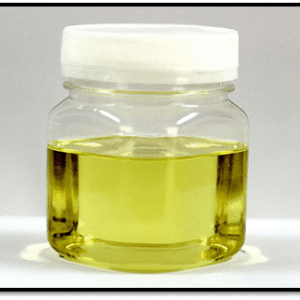
TEPA appears as a colorless to pale yellow liquid or solid depending on purity and temperature conditions and is highly soluble in water and many polar organic solvents. Due to its high nitrogen content and flexible molecular structure, it is frequently utilized in laboratories and manufacturing environments requiring efficient ligand coordination and chemical reactivity.
Key Research and Industrial Applications
• Coordination chemistry and metal-ion complex synthesis
• Ligand development for transition metal catalysts
• Polymerization catalyst systems and resin chemistry
• Metal-organic framework (MOF) synthesis and materials research
• Epoxy curing formulations and specialty chemical production
• Gas treatment and chemical separation technologies
• Corrosion inhibition and industrial processing applications
• Analytical and laboratory-based chemical studies
Polymer and Catalyst Research
TEPA is extensively studied for its effectiveness as a chelating ligand in metal-based catalytic systems. Its multiple amine functionalities allow strong coordination with metals such as zirconium, hafnium, copper, nickel, and cobalt, making it useful in polymerization reactions and catalyst stabilization.
In polymer chemistry, TEPA is commonly incorporated into formulations designed to improve polymer structure, molecular control, and reaction efficiency. Its reactivity and binding capacity make it valuable in advanced material synthesis and industrial-scale processing.
Metal-Organic Framework (MOF) Applications
In materials science, TEPA is frequently used in the preparation and functionalization of metal-organic frameworks (MOFs). These porous crystalline materials are investigated for applications involving:
• Gas adsorption and storage
• Carbon capture technologies
• Chemical sensing systems
• Catalysis research
• Advanced filtration materials
The strong coordination behavior of TEPA contributes to the formation of stable and efficient framework structures.
Laboratory and Analytical Use
TEPA is widely employed in academic and industrial laboratories for coordination chemistry studies, catalyst screening, and metal interaction analysis. Researchers also utilize TEPA in the preparation of model complexes and experimental systems involving transition metals and nitrogen-rich ligands.
Storage and Handling
TEPA should be handled using appropriate laboratory safety procedures and stored in tightly sealed containers away from moisture, heat, and incompatible substances. Proper protective equipment, including gloves and eye protection, is recommended during handling.
⚠️ For industrial, laboratory, and research use only. Handle in accordance with applicable chemical safety guidelines and regulations.
Related products
SPECIAL USE CHEMICALS
SPECIAL USE CHEMICALS
SPECIAL USE CHEMICALS

SPECIAL USE CHEMICALS
SPECIAL USE CHEMICALS

SPECIAL USE CHEMICALS

SPECIAL USE CHEMICALS
SPECIAL USE CHEMICALS