

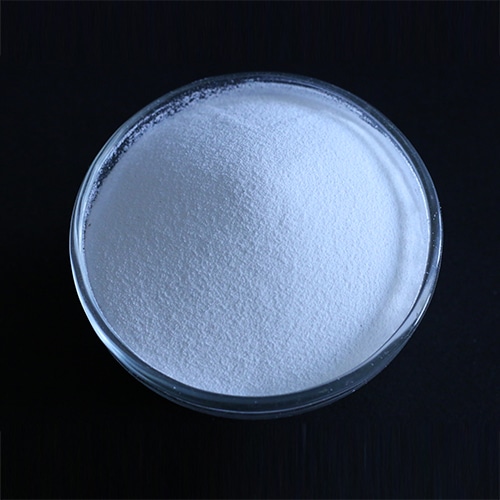


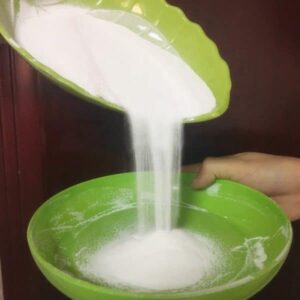
Low Viscocity Poly Vinyl Chloride
€804.00
Other Trading Names:
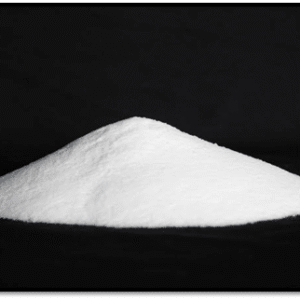
- White powder PVC Resin
- PVC Hompolymer Resin
- Asaflex 805
- K-Resin KRO03
Type of Packaging :
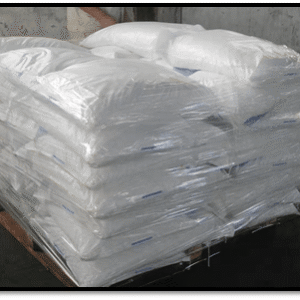
- 25kg Bags / 17Tons / 20ft Container-Without pallet
- 25kg Bags / 15Tons / 20ft Container-With pallet
- 25kg Bags / 27Tons / 40ft Container-Without pallet
HS Code:
390410
FOB Price (Per Ton) $804.00
Buy Low Viscosity Polyvinyl Chloride (PVC) Europe: Optimizing Flow for High-Precision Manufacturing
In industrial polymer processing, balancing structural durability with fluid melt dynamics is a major engineering challenge. Standard polyvinyl chloride (PVC) resins possess a high molecular weight that leads to high melt viscosity. This property requires elevated processing temperatures and high injection pressures, which can cause structural shear degradation and slow down production.
Buy Low viscosity polyvinyl chloride Europe addresses these processing limitations. By modifying the polymer chain length during polymerization or using specialized structural additives, manufacturers can significantly reduce the material’s resistance to flow. This improvement enhances processing efficiency without sacrificing the chemical resistance, tensile strength, or environmental durability that makes PVC a foundational industrial material.
Standard polymerization and manufacturing matrix of industrial PVC resin. Source: Valco Group
The Science of Viscosity Reduction in Vinyl Polymers
Viscosity represents a fluid’s internal resistance to shear or flow dynamics. Within a thermoplastic melt, viscosity is directly related to the average length of the polymer chains and the degree of molecular entanglement.
[Standard PVC Melt] ------ Long Chains, High Entanglement -----> High Viscosity (High Torque Required)
[Low Viscosity PVC] ----- Short/Branched Chains, Low Friction --> Low Viscosity (High Flow Rate)
To achieve a low viscosity profile, chemical manufacturers use targeted synthesis and formulation techniques:
-
Chain Transfer Agents: Added during the main batch reactor phase to control the overall degree of polymerization, resulting in shorter polymer chains with a lower K-value (a measure of molecular weight and viscosity).
-
Internal Lubrication Matrix: Integrating specialized fatty acid esters or oxidized polyethylene waxes to reduce internal friction between polymer chains during extrusion.
-
Plasticizer Optimization: Incorporating high-efficiency plasticizer additives that expand the free volume between vinyl chains, making the compound more flexible and easier to process.
Technical Specification Matrix
| Rheological & Physical Parameter | Low Viscosity Formulation | Standard Rigid PVC Baseline |
| IUPAC Systematic Name | Poly(1-chloroethylene) | Poly(1-chloroethylene) |
| CAS Registry Number | 9002-86-2 | 9002-86-2 |
| Typical K-Value Range | 50 – 58 (Low Molecular Weight) | 65 – 70 (Medium-High Molecular Weight) |
| Melt Flow Index (MFI) | $\ge$ 15 to 30 g/10 min (at 190°C) | 1 to 5 g/10 min (at 190°C) |
| Apparent Melt Viscosity | Low ($\approx$ 60 to 100 Pa·s) | High ($\ge$ 250 Pa·s) |
| Processing Temperature Window | 160°C – 180°C | 185°C – 210°C |
| Residual VCM (Vinyl Chloride Monomer) | $\le$ 1.0 ppm (Strict Feedstock Standard) | $\le$ 1.0 ppm |
Key Processing Advantages
Switching to a low viscosity PVC matrix provides several operational and economic benefits on the factory floor:
-
-
Enhanced Thin-Wall Flow: The high melt flow index allows the polymer to fill thin-wall molds completely before solidifying, preventing structural defects like short-shots.
-
Reduced Thermal Degradation: Because the polymer flows easily at lower temperatures, it spends less time at high heat. This reduces the need for costly heat stabilizers and prevents hydrochloric acid ($\text{HCl}$) outgassing.
-
Lower Energy Requirements: Processing at reduced temperatures and lower injection pressures decreases the mechanical torque on extrusion screws, leading to lower utility costs per production run.
-
Faster Cycle Times: Improved heat dissipation and faster mold filling accelerate crystallization and cooling phases, increasing parts-per-hour throughput in automated injection molding lines.
-
Primary Industrial & Commercial Applications
The improved flow properties of low viscosity PVC open up new opportunities for product design and component manufacturing:
1. Medical Devices and Precision Components
In medical manufacturing, this material is widely used to produce clear medical-grade tubing, fluid bags, and complex multi-port luer connectors. Its clean processing characteristics ensure compliance with strict biocompatibility standards while maintaining precise dimensional tolerances.
2. Ultra-Thin Films and High-Definition Packaging
Valued by the packaging industry for manufacturing rigid blister packs, high-clarity stretch wraps, and protective films. The resin’s low viscosity allows it to be processed through high-speed calendering equipment into thin, uniform sheets without pinholes or optical distortions.
3. Complex Automotive Interiors and Seals
Used to mold lightweight interior trim components, dashboard skins, and intricate weather-stripping profiles. It fills detailed mold textures accurately, providing a consistent surface finish that meets automotive quality requirements.
4. Electronics and Micro-Molding
The trend toward smaller consumer electronics requires complex, miniature parts with internal channels. Low viscosity PVC easily fills micro-injection molds to produce durable connectors, insulating housings, and strain-relief boots for delicate wiring harnesses.
Storage, Material Handling, and Safety Protocols
To maintain consistency in production, material handling teams should follow standard industrial storage guidelines:
-
Moisture Isolation: Store raw PVC resin bags or bulk silos in a dry, temperature-controlled warehouse. Excess moisture can cause steam pockets and surface pitting during extrusion.
-
Static Mitigation: Finely ground PVC powder can accumulate static charges during pneumatic conveying. Ensure all loading hoppers, silos, and transfer lines are properly grounded.
-
Dust Control: Use appropriate local exhaust ventilation and dust collection systems at mixing stations to keep airborne dust concentrations well below established exposure limits.
Supply Chain Security and Commercial Sourcing
We supply high-purity specialty polymers and thermoplastic resins to advanced manufacturing facilities and regional industrial distributors worldwide. Every contract shipment includes verified batch Certificates of Analysis (CoA), particle size distribution curves, and complete Safety Data Sheets (SDS) that meet global regulatory frameworks.
To request a bulk commercial quote, arrange cross-border container logistics, or speak with a technical engineer about K-value optimization, contact our industrial materials desk through our wholesale procurement portal or browse our online vinyl compounding directory.
Related products
SPECIAL USE CHEMICALS
SPECIAL USE CHEMICALS

SPECIAL USE CHEMICALS
SPECIAL USE CHEMICALS
SPECIAL USE CHEMICALS
SPECIAL USE CHEMICALS
SPECIAL USE CHEMICALS

SPECIAL USE CHEMICALS