


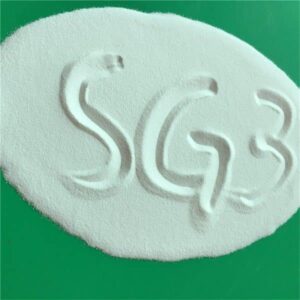
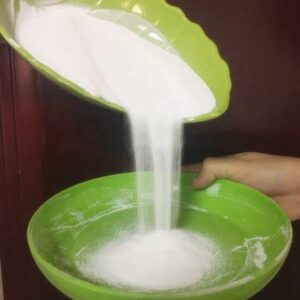

High Viscocity Poly Vinyl Chloride
€990.00
Other Trading Names:
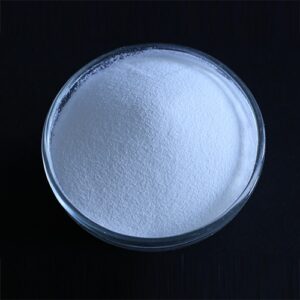
- White powder PVC Resin
- PVC Hompolymer Resin
- Asaflex 805
- K-Resin KRO03
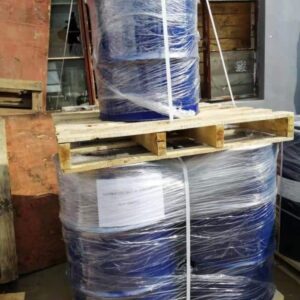
Type of Packaging :
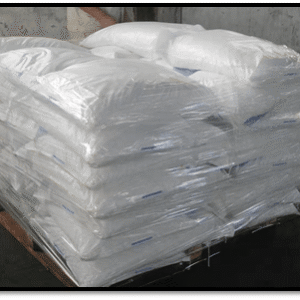
- 25kg Bags / 17Tons / 20ft Container-Without pallet
- 25kg Bags / 15Tons / 20ft Container-With pallet
- 25kg Bags / 27Tons / 40ft Container-Without pallet
HS Code:
390410
FOB Price (Per Ton) $990.00
Buy High Viscosity Polyvinyl Chloride (PVC) SG3: Superior Structural Integrity for Heavy-Duty Extrusion
In industrial thermoplastic manufacturing, selecting the correct resin molecular weight determines the ultimate mechanical performance and processing parameters of the finished product. High Viscosity Polyvinyl Chloride (PVC) SG3 is a premium suspension-grade (SG) resin characterized by its high molecular weight and robust molecular chain length.
While lower-viscosity grades like Standard PVC SG5 are preferred for high-speed, general-purpose profile extrusions, the SG3 configuration is specifically engineered for demanding applications that require exceptional tensile strength, long-term dimensional stability, and superior impact resistance under structural loads.
The Chemistry and Molecular Mechanics of SG3 Resins
Suspension PVC is synthesized through the free-radical polymerization of vinyl chloride monomer ($\text{VCM}$) suspended in an aqueous medium under precise pressure and thermal controls. Within this manufacturing framework, the “SG3” designation signifies a low polymerization temperature profile, which allows the polymer chains to grow longer and achieve a higher average molecular mass.
[Monomer Input: VCM] ---> Low-Temp Suspension Polymerization ---> [SG3: Long, Highly Entangled Chains]
                                                                        │
                                                                        ▼
                                                       High Viscosity & Maximum Structural Toughness
The Viscosity-K-Value Correlation
In vinyl polymer engineering, viscosity is scientifically quantified using the K-Value (derived from dilute solution viscosity metrics via Fikentscher’s equation).
-
PVC SG3 typically exhibits an elevated K-value range between 70 and 75.
-
This structural configuration provides high polymer chain entanglement, meaning that when the resin is melted, it displays high resistance to flow (high melt viscosity) and requires increased mechanical torque during extrusion processing.
Technical Specification Matrix
| Rheological & Physical Parameter | Premium SG3 Specification | Standard SG5 Reference Baseline |
| Systematic IUPAC Nomenclature | Poly(1-chloroethylene) | Poly(1-chloroethylene) |
| CAS Registry Number | 9002-86-2 | 9002-86-2 |
| K-Value Range (Fikentscher) | 70 – 75 (High Molecular Weight) | 65 – 68 (Medium Molecular Weight) |
| Degree of Polymerization ($\text{DP}$) | 1350 – 1450 | 1000 – 1100 |
| Apparent Bulk Density | $\ge$ 0.45 g/cm³ | $\ge$ 0.48 g/cm³ |
| Volatile Matter Max | $\le$ 0.40% | $\le$ 0.40% |
| Number of Impurity Particles Max | $\le$ 20 per 100g | $\le$ 30 per 100g |
Enhanced Physical & Mechanical Attributes
By utilizing an elongated polymer chain configuration, the SG3 resin matrix offers distinct performance improvements over lower molecular weight variants:
-
Superior Tensile and Flexural Strength: The extensive molecular entanglement increases the energy required to cause chain slippage, providing excellent resistance to cracking and deformation under continuous mechanical loads.
-
Advanced Chemical Resistance: It exhibits exceptional resistance to chemical degradation from concentrated mineral acids, harsh alkalis, and automotive oils, making it ideal for harsh industrial environments.
-
Low Plasticizer Migration Rates: The tight crystalline structure of the SG3 matrix naturally slows down the migration of flexible plasticizer additives, preserving the material’s flexibility over long lifespans.
-
High Impact Energy Absorption: It effectively disperses sudden mechanical shocks throughout its polymer network, preventing brittle failures even in low-temperature environments.
Processing Dynamics & Compounding Requirements
Because of its high melt viscosity, processing raw PVC SG3 requires specialized compounding steps and heavy-duty machinery:
1. High-Torque Extrusion
Extruding SG3 profiles requires heavy-duty twin-screw extruders capable of managing high torque and back-pressure. Processing technicians must apply precise temperature profiles to ensure uniform melting while avoiding localized shear heating, which can trigger thermal degradation and release hydrochloric acid ($\text{HCl}$) gas.
2. Specialized Lubricant Configurations
To lower internal friction and prevent the molten plastic from sticking to processing dies, compounding lines must integrate balanced additive packages. This includes combining internal lubricants (like calcium stearate) with external lubrication waxes to manage melt dynamics without compromising the physical properties of the final product.
3. Precise Calendering & Injection Control
When processing sheets via calendering or molding parts, maintaining accurate roll and mold temperatures is essential. Incorporating high-efficiency acrylic processing aids helps improve melt elasticity and surface finish, ensuring the high-viscosity melt fills complex molds evenly.
Primary Industrial & Commercial Applications
The exceptional strength and durability of high viscosity PVC SG3 make it an essential material across heavy-duty industrial sectors:
1. Heavy-Duty Industrial Pipes and Infrastructure
Widely used to manufacture high-pressure water mains, industrial chemical piping, and underground electrical conduits. Its high mechanical strength prevents failures from external soil pressure and internal pressure spikes.
2. Structural Rigid Profiles and Construction Material
The premium resin base used for high-end window frames, exterior siding, and heavy-duty structural profiles. Its excellent dimensional stability ensures long-term weather resistance, preventing warping or sagging over decades of environmental exposure.
3. High-Clarity Medical Tubing and Flexible Sheeting
Because of its low plasticizer absorption rates, SG3 is highly valued for producing flexible medical-grade components, blood storage bags, and high-performance industrial conveyor belts that require strict compliance with regulatory standards.
4. Tough, Micro-Cellular Foamed PVC Boards
Used to produce high-density foamed sheets for marine cabinetry, outdoor signage, and construction trim. The high melt strength of the SG3 resin traps blowing agents uniformly, creating a fine cellular structure that combines lightweight properties with high structural rigidity.
Material Handling, Storage, and Workplace Safety
To maintain material quality and safe factory operations, handling teams should follow standard industrial guidelines:
-
Moisture Prevention: Store raw PVC SG3 resin bags or bulk silos in a dry, enclosed warehouse. Moisture absorption can lead to internal steam bubbles and surface finish defects during processing.
-
Static and Dust Management: PVC powder handling can generate static electricity and airborne dust. All conveying systems, dust collectors, and loading hoppers must be properly grounded to eliminate electrostatic risks.
-
Ventilation Controls: Ensure processing areas feature efficient local exhaust ventilation around extrusion dies and purging stations to safely manage trace volatile gases released during heat processing.
Supply Chain Security and Commercial Sourcing Contracts
We manage a dependable, high-volume supply chain network, delivering premium suspension PVC resins directly to automated manufacturing plants and international polymer compounders. Every wholesale contract shipment includes verified batch Certificates of Analysis (CoA), K-value validation data, and comprehensive Safety Data Sheets (SDS) aligned with international regulatory frameworks.
To secure a long-term volume supply contract, request specialized technical data sheets, or discuss compound formulations with a materials engineer, contact our industrial polymers desk through our official wholesale procurement portal or explore our complete vinyl solutions via the online phosphates and polymer bases directory.
Related products
SPECIAL USE CHEMICALS
SPECIAL USE CHEMICALS
SPECIAL USE CHEMICALS

SPECIAL USE CHEMICALS
SPECIAL USE CHEMICALS

SPECIAL USE CHEMICALS
SPECIAL USE CHEMICALS
SPECIAL USE CHEMICALS