


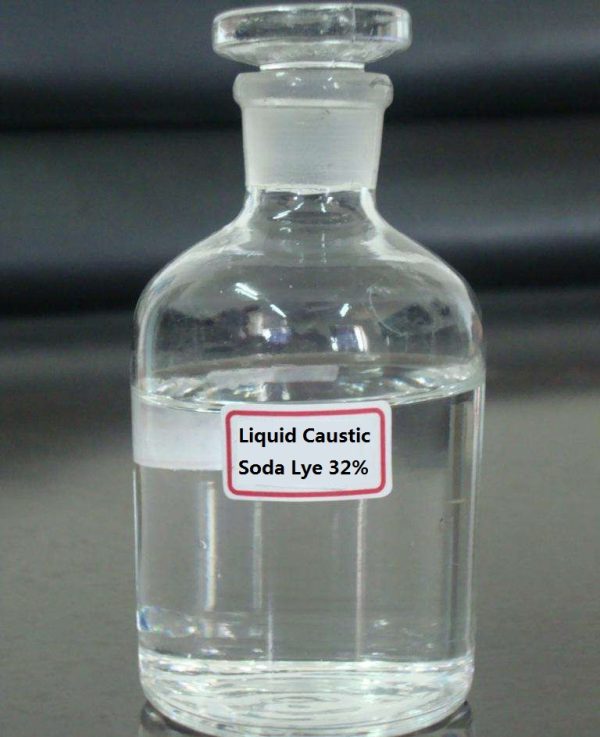
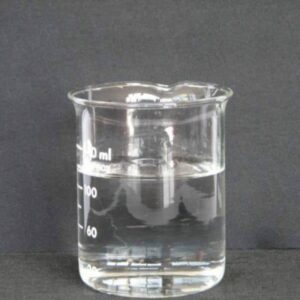
Liquid Caustic Soda Lye 32% / Sodium Hydroxide Lye 32%
€295.00
Other Trading Names:
- Liquid caustic soda
- Lye
Type of Packaging :
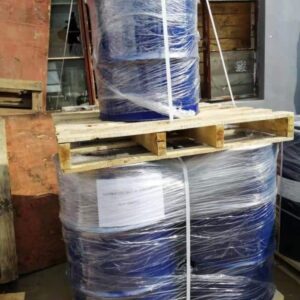
- 250kg plastic drum
- 500kg plastic drum
HS Code:
380210
FOB Price (Per Ton) $295.00
Buy Liquid Caustic Soda Lye 32% Europe: Optimized Aqueous Alkali for Industrial Processing
In large-scale chemical processing, water purification, and industrial manufacturing, managing alkaline concentration profiles is essential for system stability and process control. Liquid Caustic Soda Lye 32% is a high-purity aqueous solution of Sodium Hydroxide ($\text{NaOH}$) designed for precise volumetric dosing.
While high-density alternatives like Liquid Caustic Soda 50% are standard for volume-intensive transport, the 32% mass fraction is highly valued across automated manufacturing facilities. This concentration eliminates the acute handling, crystallization, and thermal challenges associated with higher concentrations, providing an efficient balance between alkali delivery and process reliability.
Chemical Synthesis and Phase Stabilization
Industrial sodium hydroxide solution is manufactured via the chlor-alkali process, utilizing the electrolysis of purified sodium chloride ($\text{NaCl}$) brine within advanced membrane cell technologies. This synthesis route yields an exceptionally pure alkali product with minimal trace impurities or salt residues:
The Low-Temperature Handling Advantage
The primary engineering benefit of choosing a 32% caustic lye concentration over a 50% solution lies in its crystallization kinetics.
While 50% caustic lye solidifies at a relatively warm 12°C (53.6°F)—requiring consistent, energy-intensive pipe tracing and tank insulation—a 32% solution remains completely fluid down to approximately -10°C (14°F). This low freezing point minimizes the risk of line blockages and simplifies outdoor bulk storage logistics in cold-weather climates.
Technical Specification Matrix
| Analytical Parameter | Standard Membrane Grade Specification |
| Systematic Chemical Name | Sodium Hydroxide Solution (32% Formulation) |
| CAS Registry Number | 1310-73-2 |
| Molecular Formula | $\text{NaOH}$ (Aqueous Matrix) |
| Molecular Weight | 40.00 g/mol |
| Sodium Hydroxide Assay ($\text{NaOH}$) | 31.5% – 32.5% |
| Sodium Oxide Equivalent ($\text{Na}_2\text{O}$) | 24.4% – 25.2% |
| Sodium Carbonate ($\text{Na}_2\text{CO}_3$) Max | $\le$ 0.05% |
| Sodium Chloride ($\text{NaCl}$) Max | $\le$ 0.005% (50 ppm) |
| Specific Gravity (at 20°C) | 1.34 – 1.36 |
| Solution pH | $\ge$ 14.0 (Highly Alkaline Intermediate) |
Primary Industrial & Commercial Applications
The exceptional deprotonation capability and reactive versatility of liquid caustic soda 32% make it an essential raw material across major volume-heavy industries:
1. Municipal and Industrial Effluent Neutralization
In wastewater treatment plants, 32% caustic lye serves as a reliable pH-adjusting agent. It efficiently neutralizes highly acidic waste streams, elevating alkalinity to support biological digestion systems or to precipitate heavy metals out of solution as insoluble hydroxides. Its lower concentration enables precise automated dosing, preventing over-alkalization spikes.
2. Chemical and Surfactant Synthesis
Functions as a key reactant and intermediate in the production of diverse downstream chemicals, including specialized dyes, pharmaceuticals, and complex agricultural feed additives. In the cleaning sector, it facilitates the rapid saponification of fatty acid esters to yield raw soap bases and highly concentrated industrial degreasers.
3. Advanced Textile Processing and Mercerization
In the textile sector, 32% $\text{NaOH}$ lye is extensively used in the treatment of cotton yarns and woven fabrics. The chemical swelling process, known as mercerization, alters the cell-wall structure of the natural fibers. This treatment enhances tensile strength, improves dimensional stability, and maximizes dye absorption capacity, resulting in a lustrous fabric finish.
4. Automated Food Processing and Plant Sanitation
Under strict food-grade validation protocols, 32% liquid lye functions as an automated Clean-In-Place (CIP) chemical sanitizer for dairy, brewing, and beverage equipment. It breaks down protein matrices and organic fats inside industrial processing loops. It is also used to peel fruits and vegetables chemically or to adjust starch alkalinity during processing.
Bulk Storage, Asset Integrity, and Safety Protocols | Buy Liquid Caustic Soda Lye 32% Europe
Because of its highly corrosive nature and unique chemical properties, storing and handling 32% caustic lye requires specialized engineering controls:
-
Material Selection: Never use aluminum, zinc, tin, or galvanized alloys, as $\text{NaOH}$ reacts with these metals to generate flammable hydrogen gas ($\text{H}_2$). Bulk storage tanks should utilize high-density polyethylene (HDPE), reinforced carbon steel, or heavy-duty fiberglass-reinforced plastics (FRP).
-
The Exothermic Dilution Law: If your process requires further dilution, always add the caustic lye slowly to water—never add water into concentrated caustic. Reversing this sequence can cause rapid exothermic boiling, leading to violent chemical splattering.
-
Personnel Safety Protocols: Classified as a highly corrosive Packing Group II chemical capable of causing severe skin burns and permanent eye damage. Operators must wear full chemical-resistant splash suits, neoprene gauntlets, and face shields. Facilities must position high-flow safety showers and eyewash stations near all unloading manifolds.
Supply Chain Security and Commercial Sourcing Contracts
We manage an uninterrupted chlor-alkali supply chain network, delivering premium bulk industrial commodities via specialized liquid tank trucks, railcars, and intermediate bulk containers (IBCs). Every contract batch features complete product documentation, including verified Certificates of Analysis (CoA) and up-to-date Safety Data Sheets (SDS) that comply with global regulatory frameworks.
To request an enterprise bulk quotation, arrange multi-quarter contract logistics, or evaluate technical data sheets, contact our industrial commodities desk through our official wholesale procurement portal or review our complete inorganic alkali inventory via the online phosphates and chemical bases directory.
Related products

SPECIAL USE CHEMICALS
SPECIAL USE CHEMICALS
SPECIAL USE CHEMICALS

SPECIAL USE CHEMICALS
SPECIAL USE CHEMICALS
SPECIAL USE CHEMICALS
SPECIAL USE CHEMICALS
SPECIAL USE CHEMICALS
Rutile Titanium Dioxide 94% (Sulfate R-298)- Paints And Coatings