
Poly Vinyl Alcohol
€1,720.00
Other Trading Names:
- PVOH
- Alcotex
- Gelvatol
Type of Packaging :
- 20kg sealed bag
- 50kg sealed bag
HS Code:
390530
FOB Price (Per Ton) $1,720.00
Polyvinyl Alcohol (PVA) | The Chemistry of PVA 1799
Are you seeking validated analytical data on buy Polyvinyl Alcohol online and the high-performance PVA 1799 grade? PVA is a unique synthetic polymer that, unlike many plastics, is synthesized through the hydrolysis of polyvinyl acetate (PVAc). This chemical process replaces hydrophobic acetate groups with hydrophilic hydroxyl groups ($-OH$), resulting in a polymer with exceptional film-forming capabilities, high tensile strength, and tunable water solubility.
For research facilities and manufacturers looking to buy research chemicals online, understanding the specific degree of hydrolysis and molecular weight of grades like 1799 is essential for ensuring application success.
Chemical Synthesis & The “1799” Designation
PVA is defined by its synthesis rather than direct polymerization. The properties of the final material are dictated by two primary factors:
-
Degree of Hydrolysis: PVA 1799 is typically a fully hydrolyzed grade (approximately 99%). This high percentage of hydroxyl groups creates a polymer with maximum water resistance once dried, excellent chemical stability, and superior adhesive strength.
-
Viscosity & Molecular Weight: The “17” in the 1799 designation often refers to the viscosity of a 4% aqueous solution. A moderate viscosity ensures that the polymer remains easy to handle in liquid form while providing the structural integrity needed for solid films.
-
Structural Mechanics: The abundance of $-OH$ groups allows for extensive hydrogen bonding, which contributes to the polymer’s high tensile strength and gas barrier properties.
Key Technical Properties
| Property | Description |
| Water Solubility | Dissolves in hot water ($>80$°C) to form a clear, stable solution. |
| Film Integrity | Forms high-clarity, flexible films that are resistant to oils, greases, and solvents. |
| Biocompatibility | Non-toxic and safe for use in medical hydrogels and pharmaceutical coatings. |
| Adhesive Power | Exceptional bond strength on porous substrates like paper, wood, and textiles. |
Industrial and Scientific Applications
The versatility of PVA 1799 makes it a “workhorse” across diverse fields:
-
3D Printing (Support Material): Used as a water-soluble support structure for complex geometries in FDM printing.
-
Textile & Paper Sizing: Increases yarn strength for high-speed weaving and improves the surface smoothness and printability of high-grade paper.
-
Biomedical Engineering: Utilized in the creation of hydrogels for wound dressings, drug delivery systems, and contact lenses.
-
Construction: Added to cement and mortar to enhance water retention, flexibility, and adhesion to various substrates.
-
Biodegradable Packaging: Serving as a primary component in the development of water-soluble and compostable packaging films.
PVA 1799: Technical Specifications Summary
-
Grade Type: Fully Hydrolyzed.
-
Hydrolysis Degree: $98.0\% – 99.8\%$.
-
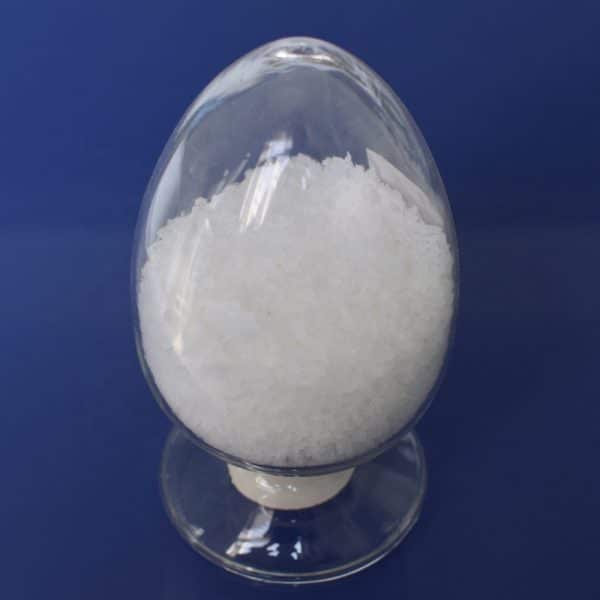
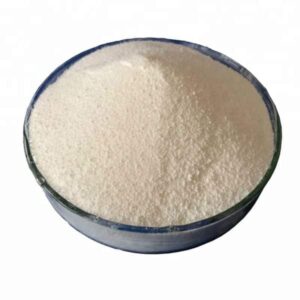
Appearance: White to off-white granular or powdered solid.
-
pH Value: $5.0 – 7.0$ (in 4% aqueous solution).
-
Volatiles: $\le 5.0\%$.
Why Source buy Polyvinyl Alcohol online Through Verified Channels?
To achieve repeatable results in industrial processes or laboratory research, it is vital to source polymers from a legitimate research chemical supplier. High-purity PVA ensures that the degree of hydrolysis is consistent, preventing unexpected changes in solubility or bond strength during critical manufacturing phases.
WE PROVIDE Polyvinyl Alcohol For Research Use ONLY
Related products

SPECIAL USE CHEMICALS
SPECIAL USE CHEMICALS

SPECIAL USE CHEMICALS


SPECIAL USE CHEMICALS
SPECIAL USE CHEMICALS
SPECIAL USE CHEMICALS

SPECIAL USE CHEMICALS
SPECIAL USE CHEMICALS