


Neopentyl Glycol
€3,120.00
Other Trading Names:
- Neopentyl Glycol
- NPG
- 2,2-Dimethyl Propane-1,3-diol
- 2,2-Dimethyl-1,3-propanediol
Types of Packaging
- Plastic woven bag with 25kg weight capacity per bag
- Jumbo bags with 1000 kg weight capacity per bag
HS Code:
29053990
FOB Price (Per Ton) $3,120.00
Neopentyl Glycol (NPG) | The Structural Key to High-Performance Resins
Are you seeking validated analytical data on buy Neopentyl Glycol online for advanced resin synthesis? Neopentyl Glycol (NPG), or 2,2-dimethyl-1,3-propanediol, is a unique crystalline diol with the molecular formula $C_{5}H_{12}O_{2}$. Unlike linear diols, NPG’s branched structure features two methyl groups on the central carbon, providing exceptional thermal, chemical, and UV stability. Within the scientific community, it is a primary subject for researchers developing weather-resistant powder coatings and high-stability synthetic esters.
For professionals looking to buy research chemicals online, sourcing high-purity NPG is essential to prevent the premature degradation of polyesters and to ensure a high-gloss, durable finish in industrial applications.
Chemical Structure & Steric Hindrance
The performance of NPG-based materials is a direct result of its molecular geometry. The central “neo” carbon atom creates a sterically hindered environment that protects the ester linkages in resulting polymers:
-
Hydrolytic Stability: The bulky methyl groups shield the ester bonds from moisture and chemical attack, making NPG-based polyesters far superior to those made with ethylene glycol or propylene glycol.
-
UV and Thermal Resistance: The absence of beta-hydrogens (hydrogens on the carbon adjacent to the hydroxyl-bearing carbon) prevents certain degradation pathways, resulting in coatings that do not yellow or crack under intense sunlight.
-
Balance of Hardness and Flexibility: Its symmetrical structure allows for the development of resins that are tough enough to resist scratching but flexible enough to withstand mechanical stress.
Primary Industrial Applications
Neopentyl Glycol’s unique architecture makes it a “workhorse” in specialized chemical manufacturing:
-
Powder Coatings: NPG is the preferred building block for saturated polyester resins used in powder coatings for architectural aluminum, appliances, and automotive parts due to its excellent “overbake” resistance.
-
High-Solids Liquid Coatings: Utilized to produce low-viscosity resins that meet strict VOC (Volatile Organic Compound) regulations while maintaining high performance.
-
Synthetic Lubricants: NPG is reacted with fatty acids to create polyol esters, which serve as high-performance lubricants for jet engines and refrigeration systems due to their high-temperature stability.
-
Fiberglass Reinforced Plastics (FRP): Enhances the water and chemical resistance of unsaturated polyester resins used in boat hulls and chemical storage tanks.
-
Pharmaceutical Intermediates: Functions as a protected diol in the synthesis of complex Active Pharmaceutical Ingredients (APIs).
Technical Specifications
| Feature | Details |
| IUPAC Name | 2,2-dimethylpropane-1,3-diol |
| CAS Number | 126-30-7 |
| Molecular Weight | 104.15 g/mol |
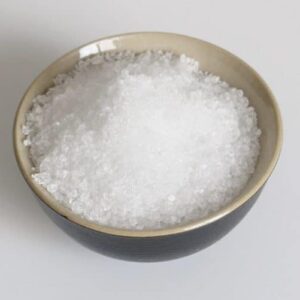
| Appearance | White crystalline solid |
| Melting Point | 124°C – 130°C |
| Solubility | Soluble in water, alcohol, and diethyl ether |
Sustainability and Future Trends
The industry is currently shifting toward bio-based Neopentyl Glycol, derived from renewable feedstocks. This transition allows manufacturers to maintain the high performance of NPG resins while reducing the carbon footprint of the final coating or plastic product.
Why Source Through Verified Channels?
Achieving the “super-durable” status required for architectural coatings depends on the purity of the NPG monomer. Sourcing through a legitimate chemical supplier ensures that your Neopentyl Glycol is free from mono-alcohols or other impurities that could terminate chain growth and weaken the final polymer matrix.
Related products

SPECIAL USE CHEMICALS
SPECIAL USE CHEMICALS

SPECIAL USE CHEMICALS

SPECIAL USE CHEMICALS
SPECIAL USE CHEMICALS


SPECIAL USE CHEMICALS
SPECIAL USE CHEMICALS
SPECIAL USE CHEMICALS