

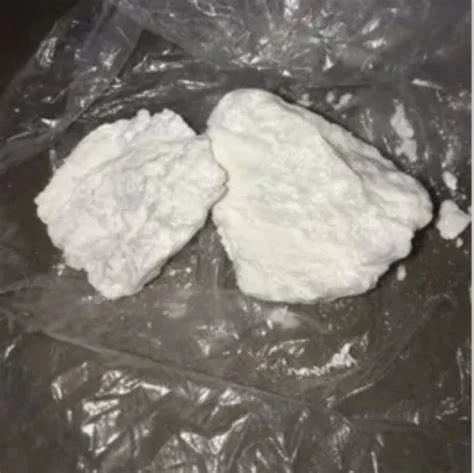
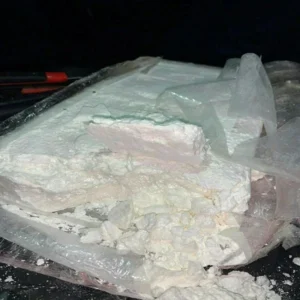
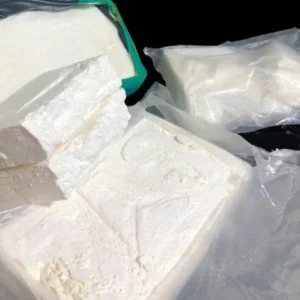
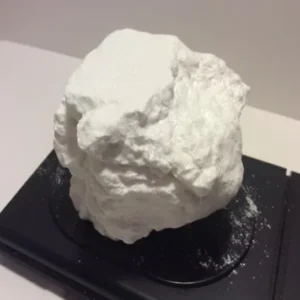
8 Ball Of Cocaine for sale
Price range: €280.00 through €13,900.00
- All packages are top stealth
- Discreet sealing
- Trackable till delivery
- Double vacuum Smell proof.
Cocaine Hydrochloride | 3.5g (8-Ball) Analytical Research Profile
Are you seeking validated analytical data on the buy “8-ball” (3.5 grams) of Cocaine Hydrochloride for forensic or laboratory use? The term “8-ball” refers to one-eighth of an ounce ($3.5\text{g}$) of a substance, a standardized weight used by researchers and forensic analysts to quantify dosage and purity levels. Within the scientific community, this quantity is a primary subject for investigating synaptic dopamine accumulation, the metabolic breakdown of tropane alkaloids, and the development of high-resolution toxicological screening protocols.
While popular culture focuses on the street value of an 8-ball, researchers utilize GC-MS to identify hazardous adulterants—such as fentanyl or levamisole—that are frequently introduced into illicit supplies to increase weight.
Pharmacological Action & CNS Impact
Cocaine acts as a sophisticated chemical probe into the central nervous system (CNS). Researchers utilize standardized 3.5g quantities to explore:
-
Dopamine Transporter (DAT) Inhibition: Mapping the blockade of neurotransmitter recycling, which results in an amplified euphoric signal in the nucleus accumbens.
-
Sympathomimetic Toxicity: Studying the surge in heart rate and blood pressure caused by elevated norepinephrine, which can lead to acute myocardial infarction (heart attack).
-
Tolerance & Neuroadaptation: Investigating how chronic exposure to high-purity stimulants alters receptor density and leads to increased tolerance and addiction liability.
Forensic & Clinical Research Applications
Analytical-grade cocaine standards are essential for several advanced scientific domains:
-
Adulterant Quantification: Identifying and measuring common “cutting agents” like boric acid, phenacetin, or local anesthetics to assess their cumulative toxicological impact.
-
Medical Anesthesia Research: Studying the compound’s legitimate medical application as a Schedule II substance, specifically for its vasoconstricting and local anesthetic properties in specialized surgeries.
-
Signature Analysis: Using trace alkaloid profiles to determine the geographical origin of Erythroxylum coca and the specific chemical refining processes used.
-
Overdose Intervention Protocols: Developing emergency medical responses for high-dose exposure, managing symptoms like paranoia, tremors, and cardiac arrhythmia.
Technical Specifications
| Feature | Details |
| Standard Weight (8-Ball) | 3.5 grams (3,500 mg) |
| IUPAC Name | methyl (1R,2R,3S,5S)-3-(benzoyloxy)-8-methyl-8-azabicyclo[3.2.1]octane-2-carboxylate |
| Chemical Form | Hydrochloride ($HCl$) Salt |
| CAS Number | 53-21-4 |
| Molecular Formula | $C_{17}H_{21}NO_{4} \cdot HCl$ |
| Purity Grade | Analytical Reference Standard ($\geq$98%) |
Safety, Regulatory Status, and Procurement
Cocaine is a Schedule II controlled substance and is strictly intended for licensed laboratory research and forensic use.
-
Legal Warning: The purchase of an “8-ball” of cocaine through illicit online shops or street vendors is a federal crime globally, carrying severe penalties.
-
Lethal Contamination: Street-level 8-balls are increasingly found to contain Fentanyl, a synthetic opioid that can cause fatal respiratory failure even in trace amounts.
-
Cardiovascular Hazard: Acute administration poses an extreme risk of stroke, irregular heartbeat, and sudden cardiac death.
Why Source buy “8-ball” (3.5 grams) of Cocaine Through Licensed Analytical Channels?
-
Quantitative Reproducibility: Certified reference materials provide the exact purity required for peer-reviewed publication and legal testimony.
-
Safety & Compliance: Licensed procurement through agencies like the DEA ensures institutional safety and adherence to the Controlled Substances Act.
-
Accurate Documentation: Every standard is supported by a batch-specific Safety Data Sheet (SDS).
| Qty | 1/2kg, 10 grams, 100grams, 15grams, 250grams, 25grams, 50 grams, 5g |
|---|
Related products
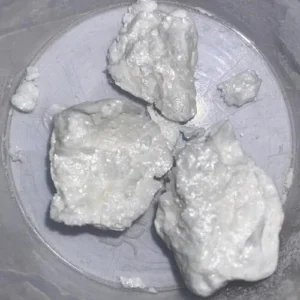
Cocaine
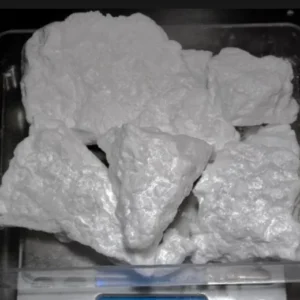
Cocaine
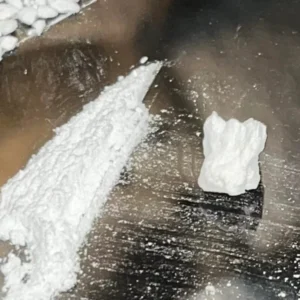
Cocaine
Cocaine
Cocaine
Cocaine

SPECIAL USE CHEMICALS
SPECIAL USE CHEMICALS