


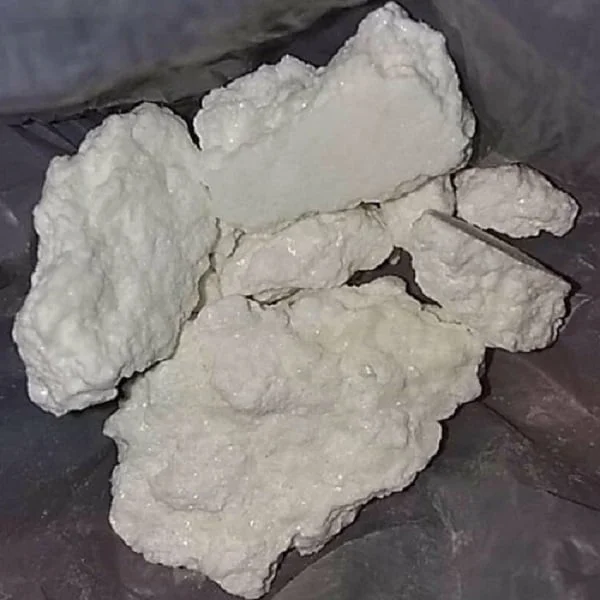
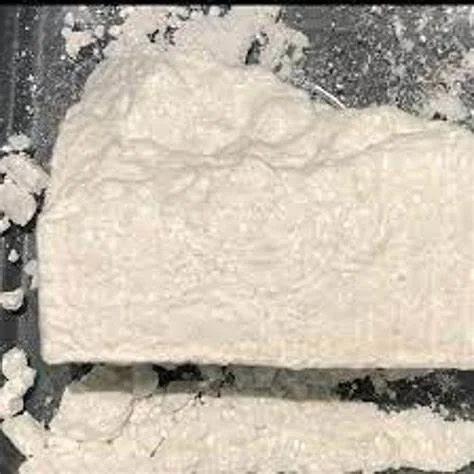
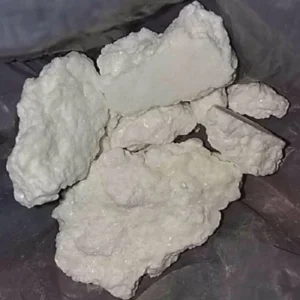
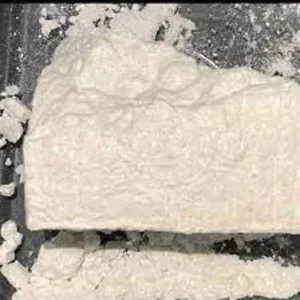
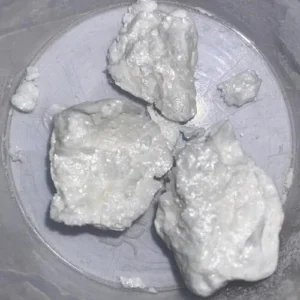
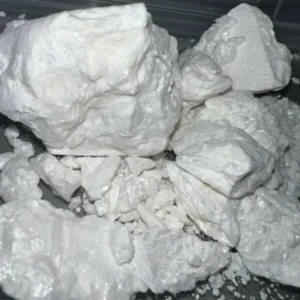
Buy Crack Cocaine Online
Price range: €400.00 through €11,400.00
- All packages are top stealth
- Discreet sealing
- Trackable till delivery
- Double vacuum Smell proof.
Cocaine & Freebase Cocaine (Crack) | Forensic & Pathological Profile
Are you seeking validated analytical data on Cocaine Hydrochloride and its freebase derivative, Crack Cocaine for sale online? Cocaine is a potent tropane alkaloid extracted from the leaves of Erythroxylum coca. Within the scientific community, it is a primary subject for investigating dopamine transporter (DAT) inhibition, acute myocardial infarction, and the neurobiology of reinforcement.
While the “crack” form is often highlighted in social contexts, researchers must distinguish between the water-soluble salt and the heat-stable freebase form, which allows for pulmonary administration and near-instantaneous blood-brain barrier penetration.
Thermochemical Transition & Pharmacokinetics
The conversion of cocaine into its “crack” form is a specific chemical process utilized to alter the drug’s boiling point. Researchers utilize these forms to explore:
-
Freebase Conversion: The process of neutralizing cocaine hydrochloride with an alkaline agent (such as sodium bicarbonate) to remove the $HCl$ group. This lowers the melting point, allowing the substance to be vaporized at temperatures that do not decompose the molecule.
-
Rapid-Onset Reinforcement: Investigating how inhalation results in peak plasma concentrations within seconds, creating a “flash” or “rush” that significantly increases the addiction liability compared to insufflation.
-
Dopaminergic Flooding: Mapping the massive accumulation of dopamine in the nucleus accumbens, which drives the intense euphoria and subsequent severe withdrawal symptoms.
Clinical & Forensic Applications
Cocaine and its derivatives are essential focal points for several advanced scientific and legal domains:
-
Emergency Medicine (Toxicology): Developing protocols for treating acute cocaine toxicity, including sympathomimetic syndrome, hypertension, and drug-induced hyperthermia.
-
Pathology: Studying the long-term effects of crack inhalation on the respiratory system, colloquially known in medical literature as “Crack Lung” (diffuse alveolar hemorrhage).
-
Forensic Profiling: Utilizing Gas Chromatography-Mass Spectrometry (GC-MS) to identify cutting agents (adulterants) such as Levamisole, which can cause severe vasculitis and neutropenia in users.
Technical Specifications
| Feature | Cocaine Hydrochloride (Powder) | Freebase Cocaine (Crack) |
| Chemical Form | Salt ($C_{17}H_{21}NO_{4} \cdot HCl$) | Base ($C_{17}H_{21}NO_{4}$) |
| Melting Point | ~190°C (Decomposes) | ~98°C (Vaporizes) |
| Solubility | Highly water-soluble | Insoluble in water; lipid-soluble |
| Administration | Insufflation / Injection | Inhalation (Smoking) |
| CAS Number | 53-21-4 | 50-36-2 |
Safety, Regulatory Status, and Procurement
Cocaine and Crack Cocaine are Schedule II controlled substances in the United States and are strictly prohibited globally outside of licensed medical or research settings.
-
Legal Consequences: The illicit sale, purchase, or possession of these substances carries severe criminal penalties, including mandatory minimum sentencing in many jurisdictions.
-
Lethal Risks: Acute use can result in sudden cardiac arrest, cerebrovascular accidents (strokes), and seizures, even in first-time users.
-
Adulterant Risks: Illicitly sourced materials are frequently contaminated with Fentanyl, leading to a high incidence of accidental overdose and death.
Why Source Through Licensed Analytical Channels?
-
Forensic Standards: Certified reference materials are mandatory for legal testimony and accurate laboratory quantification.
-
Pharmacological Purity: Research-grade alkaloids ensure that experimental results regarding receptor binding are not skewed by unknown impurities.
-
Institutional Safety: Licensed procurement ensures compliance with international drug control treaties and local law enforcement regulations.
Crack Cocaine for sale online
Advance your toxicological and neurochemical research with verified analytical data. Contact our technical department for information on reference standards and critical care intervention protocols.
| Qty | 10 grams, 100grams, 200grams, 20grams, 50 grams, 500grams |
|---|
Related products
Cocaine
Cocaine
Cocaine
Research Chemicals
Cocaine
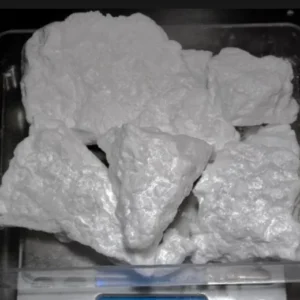
Cocaine
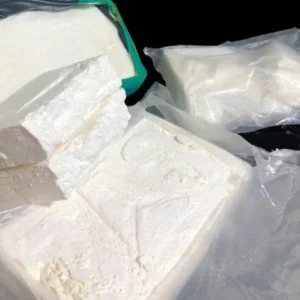
Cocaine
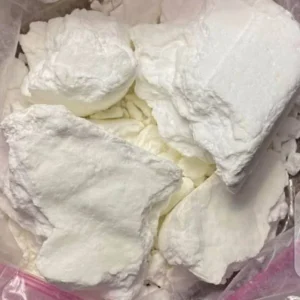
Cocaine