
1D-LSD For Research : Definition, Effects, Duration & Legal Status
What is 1D-LSD?
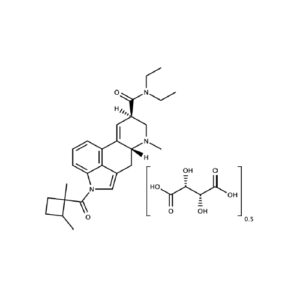
1D-LSD For Research, also known as 1,2-dimethylcyclobutane-diethylamide lysergic acid, is a synthetic psychoactive compound that affects the central nervous system. It belongs to the lysergamide family, which includes well-known substances like LSD (lysergic acid diethylamide).
1D-LSD is often described as a prodrug, meaning it may be metabolized in the body into an active compound—most likely LSD—which then produces psychoactive effects.
Description and Background
1D-LSD is a relatively new compound that has only recently been synthesized in laboratory settings. Compared to LSD, there is very limited scientific research available.
Because of this lack of clinical data, the safety profile, long-term effects, and pharmacology of 1D-LSD are not well understood. This introduces a level of uncertainty and potential risk.
How Does 1D-LSD Work?
The mechanism of action of 1D-LSD is believed to be similar to that of LSD.
It primarily interacts with serotonin receptors in the brain, especially the 5-HT2A receptor. This interaction can alter:
- Sensory perception
- Emotional processing
- Thought patterns
These changes may result in altered states of consciousness and perception.
1D-LSD Effects
Reported effects (based largely on anecdotal observations) may include:
🔹 Psychological & Sensory Effects
- Visual and auditory hallucination-like experiences
- Altered perception of time (slower or faster)
- Intensified colors, shapes, and surroundings
- Heightened emotional awareness
🔹 Cognitive & Emotional Effects
- Euphoria or elevated mood
- Deep introspection and self-reflection
- Increased creativity (as reported by some individuals)
- Sense of connection with nature or surroundings
⚠️ Possible Negative Effects
- Anxiety or panic
- Paranoia
- Confusion or disorientation
👉 Effects can vary widely depending on the individual and environment.
Duration of Effects
| Phase | Estimated Time |
|---|---|
| Onset | 30–60 minutes |
| Peak Effects | 4–6 hours |
| Total Duration | 10–14 hours |
| After-effects | Up to 24 hours |
Effects typically develop gradually, peak for several hours, and then slowly diminish.
⚠️ Dosage Considerations (General Information Only)
⚠️ There are no medically established safe dosage guidelines for 1D-LSD For Research.
General ranges often discussed (not clinically verified):
- Low (25–75 µg): Mild perceptual and mood changes
- Moderate (75–150 µg): Noticeable sensory and cognitive effects
- High (150+ µg): Intense experiences with higher risk of anxiety and disorientation
👉 Due to lack of research, effects at any level can be unpredictable.
Mixing 1D-LSD with Other Substances
Combining 1D-LSD with other substances can significantly increase risks. Some commonly discussed combinations include:
- Alcohol: May increase confusion and impair judgment
- Stimulants (e.g., cocaine, methamphetamine): Increased cardiovascular strain
- Depressants (e.g., opioids, GHB): Potential respiratory risks
- Other psychedelics (e.g., psilocybin, DMT): Intensified and unpredictable effects
- SSRIs or MAO inhibitors: May alter or reduce effects unpredictably
- THC: May increase anxiety or paranoia
- Ketamine or nitrous oxide: Enhanced dissociation and disorientation
👉 Mixing substances is unpredictable and may increase the likelihood of adverse outcomes.
⚖️ Legal Status of 1D-LSD
The legal classification of 1D-LSD varies by country:
- 🇺🇸 United States: May fall under analogue laws
- 🇬🇧 United Kingdom: Covered under psychoactive substance regulations
- 🇪🇺 European Union: Varies by country
- 🌍 Other regions: Often unregulated or restricted
In many places, 1D-LSD is categorized as a research chemical, meaning it is not approved for recreational use and may be subject to legal restrictions.
👉 Always check current local laws before handling such substances.
⚠️ Safety & Risk Summary
- Limited scientific research available
- Unknown long-term health effects
- Potential for psychological distress
- Risk of contamination from unregulated sources
- Unpredictable individual reactions
Key Takeaways
- 1D-LSD is a synthetic lysergamide related to LSD
- It is believed to act as a prodrug to LSD
- Effects include altered perception, mood changes, and introspection
- Scientific research is very limited
- Legal status is uncertain or restricted in many regions
Final Thoughts
While 1D-LSD For Research is of interest in scientific and research discussions, it remains poorly studied and legally complex. Anyone seeking information should rely on credible, research-based sources and remain aware of the potential risks and legal implications.. . . . . . . . . . . . . . . . . . . . . . . . . . . . . . . . .
1D-LSD
1D-LSD
1D-LSD