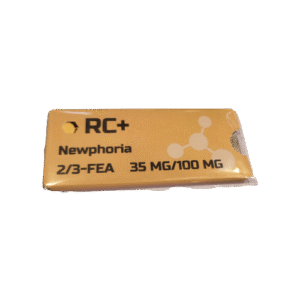
Buy 2-Fluoroethamphetamine (2-FEA) – Scientific Overview
Introduction
2-Fluoroethamphetamine (2-FEA) is a synthetic fluorinated amphetamine analogue that has been referenced in scientific and analytical discussions related to central nervous system activity. It belongs to the broader class of substituted amphetamines and is primarily considered within research and laboratory contexts.
Chemical Profile
| Property | Details |
|---|---|
| Chemical Name | 2-Fluoroethamphetamine |
| Abbreviation | 2-FEA |
| Chemical Class | Substituted amphetamine |
| Physical Form | Typically described as powder or crystalline material |
Research Context
Compounds such as 2-Fluoroethamphetamine are studied within psychopharmacology and related neuroscience fields.
Areas of Scientific Interest
- Central nervous system (CNS) activity modeling
- Monoamine neurotransmitter dynamics (dopamine, norepinephrine, serotonin)
- Transporter interaction and uptake mechanisms
- Structure-activity relationship (SAR) analysis
- Behavioral pharmacology frameworks
These areas aim to better understand how structural modifications influence pharmacological properties.
Analytical Considerations
In laboratory environments, focus is typically placed on:
- Consistency and reproducibility of results
- Analytical verification using established techniques
- Stability under controlled storage conditions
Methods such as chromatography (e.g., HPLC or GC-MS) are commonly referenced for compound analysis.
Storage & Handling (General Guidance)
Standard laboratory practices for reference materials generally include:
- Storage in a cool, dry, and controlled environment
- Protection from light, moisture, and contamination
- Proper labeling and secure containment
⚠️ Important Notice
- Intended for scientific, forensic, or analytical reference use only
- Not approved for medical or commercial applications
- Not intended for human or animal consumption
- Use must comply with local regulations and institutional guidelines
Summary
- 2-Fluoroethamphetamine is a fluorinated amphetamine analogue
- Referenced in neuropharmacology and analytical research contexts
- Studied for its interaction with monoamine systems
- Limited publicly available clinical data
- Requires careful handling and regulatory compliance
. . . . . . . . . . . . . . . . . . . . . . . . . . . . . . . . .

2-FEA