
Buy Oxycodone (OxyContin, Roxicodone) EU | Analytical Reference Standard for Research
Oxycodone for sale Europe, is a potent semi-synthetic opioid synthesized from thebaine. Within the scientific community, it is a primary subject for researchers investigating nociceptive modulation, opioid receptor high-affinity binding, and the development of advanced forensic detection protocols for semi-synthetic narcotics.
We provide analytical-grade Oxycodone standards, verified via HPLC and LC-MS to ensure the $\geq$98% purity required for consistent results in neuropharmacological and toxicological investigations.
Pharmacological Profile & Mechanism of Action
Oxycodone achieves its analgesic efficacy through precise interaction with the endogenous opioid system. Researchers utilize this compound to study the biochemical markers of central nervous system (CNS) modulation:
-
Selective Agonism: Acts as a full agonist at the $\mu$-opioid receptor (MOR). It also demonstrates affinity for $\kappa$ (kappa) and $\delta$ (delta) opioid receptors.
-
G-Protein Signaling: Activation of opioid receptors initiates a G protein-coupled receptor signaling pathway, leading to the inhibition of adenylate cyclase and the hyperpolarization of neurons.
-
Metabolism: Oxycodone is primarily metabolized in the liver via the CYP3A4 and CYP2D6 pathways into noroxycodone and the high-potency metabolite oxymorphone.
Oxycodone Dosage Information
Note: Dosage in a research or clinical context is determined by several variables, including age, weight, and prior opioid exposure (tolerance).
| Form | Typical Initial Research Dose | Frequency |
| Immediate-Release (IR) | 5 mg – 15 mg | Every 4 to 6 hours |
| Extended-Release (ER) | 10 mg | Every 12 hours |
| Oral Solution | 5 mg / 5 mL or 20 mg / 1 mL | Every 4 to 6 hours |
-
Pediatric Research: Dosage must be strictly controlled and is generally reserved for patients aged 11 and older who are already opioid-tolerant.
-
Escalation: In chronic models, doses may be increased to 40–80 mg every 12 hours, provided the subject demonstrates sufficient metabolic tolerance.
Effects and Side-Effect Profile
The effects of oxycodone result from its activity on the CNS and peripheral nervous system.
Primary Therapeutic Effects
-
Analgesia: Significant reduction in moderate to severe pain perception.
-
Anxiolysis: Reduction in emotional response to pain.
Common Adverse Effects
-
Gastrointestinal: Constipation, nausea, and vomiting.
-
Neurological: Drowsiness, dizziness, headache, and pruritus (itching).
-
Ocular: Miosis (pinpoint pupils).
Severe Risks
-
Respiratory Depression: The most critical risk; overdose can lead to fatal hypoventilation.
-
Hypotension: Significant lowering of blood pressure, leading to fainting or lightheadedness.
-
Dependency: High potential for the development of physical dependence and withdrawal symptoms (e.g., tremors, anxiety, sweating) upon sudden cessation.
Safety, Regulatory Status, and Procurement
Oxycodone is a strictly regulated Schedule II controlled substance. Access is restricted to licensed research institutions and authorized facilities.
-
Handling: Extreme caution is required; researchers should have Naloxone available as a standard safety protocol.
-
Storage: Store in a secure, climate-controlled narcotic safe ($20\degree\text{C}$ to $25\degree\text{C}$) according to legal requirements.
-
Integrity: Licensed suppliers provide a Certificate of Analysis (COA) to ensure your research is based on pure, uncontaminated material.
Advance your pharmacological investigations with certified Oxycodone. Contact our licensed distribution team today to secure high-purity materials for your facility.
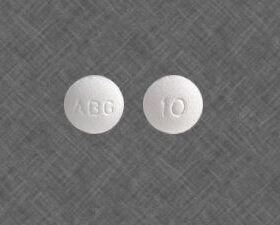
Buy Oxycodone Online
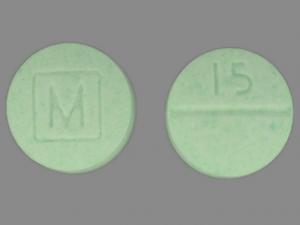
Buy Oxycodone Online
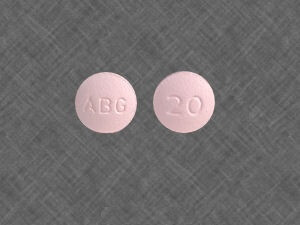
Buy Oxycodone Online
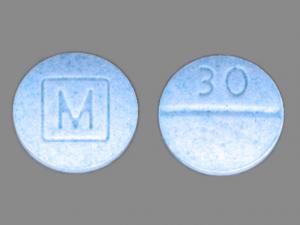
Buy Oxycodone Online
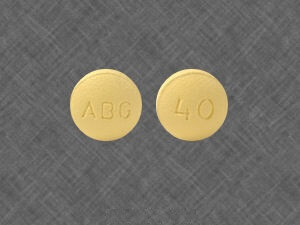
Buy Oxycodone Online
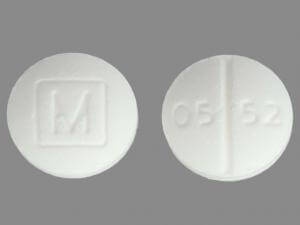
Buy Oxycodone Online
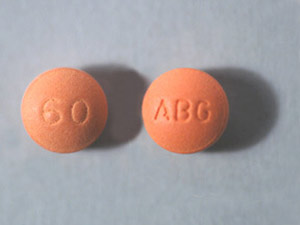
Buy Oxycodone Online
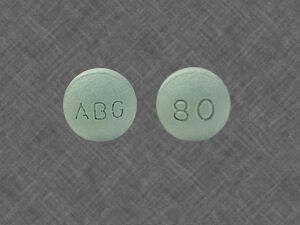
Buy Oxycodone Online