
3-Methylmethcathinone (3-MMC): A Technical Pharmacological Overview
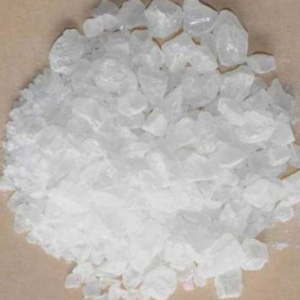
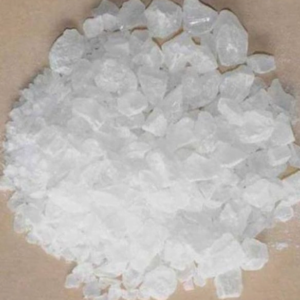
Buy 3-Methylmethcathinone (3-MMC), commonly referred to as metaphedrone, is a synthetic compound belonging to the substituted cathinone family. Primarily utilized as a reference standard in forensic and neurochemical research, it is recognized for its potent interactions with monoamine transporter systems.
Pharmacology and Mechanism of Action
3-MMC functions as a monoamine transporter substrate, acting directly on the mechanisms responsible for the transport of neurotransmitters in the brain. Its pharmacological profile is characterized by:
-
Dopamine & Norepinephrine: 3-MMC potently inhibits the reuptake of and facilitates the release of both dopamine and norepinephrine.
-
Serotonin Activity: It displays moderate serotonin-releasing activity, distinguishing its profile from other cathinone derivatives that may have more or less affinity for the serotonin transporter (SERT).
The compound’s efficacy as a substrate means it is actively “processed” by these transporters, making it a valuable tool for studying transporter kinetics and receptor binding in controlled laboratory environments.
Chemical Structure and Isomerism
3-Methylmethcathinone is a structural isomer of the better-known compound mephedrone (4-methylmethcathinone).
Comparison Table: 3-MMC vs. 4-MMC
| Feature | 3-MMC (Metaphedrone) | 4-MMC (Mephedrone) |
| Substitution | 3-position on the phenyl ring | 4-position on the phenyl ring |
| Classification | Substituted Cathinone | Substituted Cathinone |
| Primary Research Use | Monoamine release studies | Forensic reference standard |
Due to this isomerism, 3-MMC is often subject to blanket bans in various jurisdictions. Legally, it is frequently categorized alongside its isomer, mephedrone, in countries that utilize broad-spectrum chemical class legislation to regulate synthetic stimulants.
Research History and Toxicology
First identified in academic and forensic circles in 2012 (initially surfacing in Sweden), 3-MMC has since been the subject of several toxicological assessments.
Significantly, unlike many other synthetic cathinones which lack extensive physiological data, 3-MMC has been the subject of at least one large mammal study. This research is critical for establishing:
-
Pharmacokinetic data: How the compound is absorbed, distributed, and metabolized.
-
Physiological impact: Understanding the cardiovascular and neurological effects of substituted cathinones in complex biological systems.
Regulatory Status (2026 Update)
For researchers and analytical laboratories, staying compliant with local laws is mandatory:
-
EU & UK: Generally regulated under “blanket bans” or psychoactive substance acts.
-
North America: Treated as a Controlled Substance Analogue in many regions.
-
Institutional Use: Procurement is typically restricted to licensed facilities with valid research permits.
Note: This material is for informational and laboratory research purposes only. It is not intended for human or veterinary consumption.

2-MMC
2-MMC
2-MMC

2-MMC
3-CEC
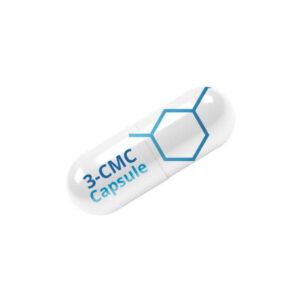
3-CMC (Meow)
3-CMC (Meow)
3-CMC (Meow)
3-CMC (Meow)
3-CMC (Meow)
3-CMC (Meow)
3-CMC (Meow)

3-MEC
3-MMC
3-MMC
3-MMC

3-MMC
3-MMC

3-MMC

3-MMC
3-MMC

3-MMC
3-MMC